Technology Trends
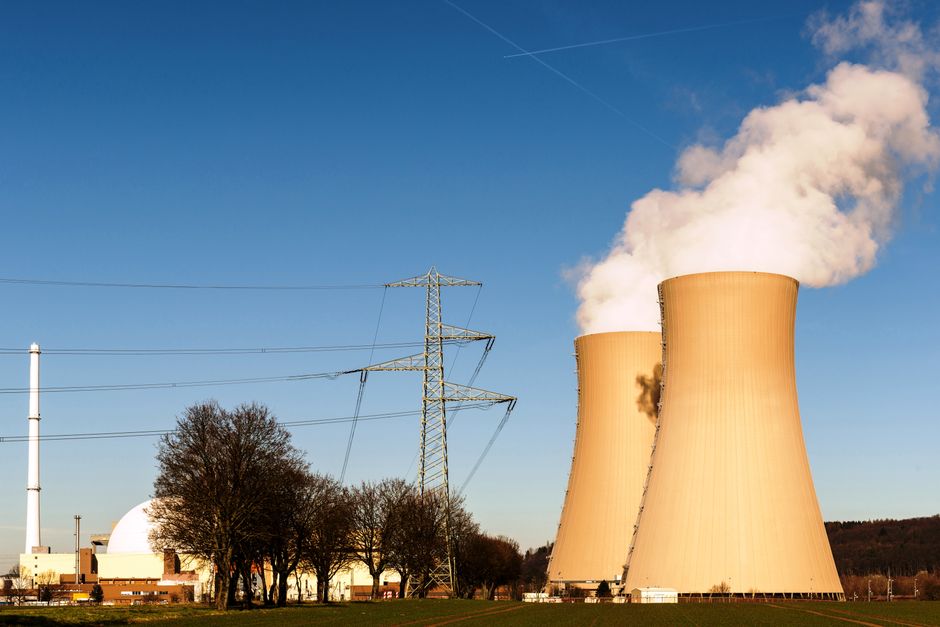
Nuclear power has spent decades as the energy source everyone had opinions about and few were building. That's changing — not because the politics shifted overnight, but because the demand picture did. Data centers, electrification, and grid reliability concerns have created a hunger for firm, carbon-free power that renewables alone struggle to satisfy at every hour of the day.
Small modular reactors, or SMRs, are the industry's answer. The pitch is simple: instead of massive, bespoke plants that take a decade and billions to build, manufacture smaller reactors in factories and assemble them on site. Standardization, it's hoped, brings down cost and schedule risk.
Three forces are converging. First, tech companies with aggressive climate goals and enormous power needs are actively signing agreements to explore nuclear. Second, several governments have shifted policy to support the technology, viewing it as a strategic capability rather than a liability. Third, the first wave of designs is moving through regulatory review, which means the conversation is shifting from 'if' to 'when.'
None of this means SMRs are imminent at scale. Construction timelines are long, regulatory processes are rigorous, and the industry still has to prove it can deliver on cost. But the direction of travel is clear, and the capital flowing in suggests serious players believe the economics will work.
The biggest risk is execution. Nuclear has a long history of projects that ran over budget and behind schedule. If the first commercial SMRs follow that pattern, momentum could stall. Conversely, a single project delivered on time and on budget would be enormously validating.
Watch three signals: first, whether utilities sign binding orders rather than non-binding agreements. Second, whether fuel supply chains develop — many SMR designs need specialized fuel that isn't yet produced at scale. Third, whether insurance and financing frameworks mature, because without them, projects can't close.
The interesting thing about SMRs is that they're not just an energy story. They're a test of whether advanced manufacturing can be applied to infrastructure that has historically been artisanal. If it works, the implications extend well beyond nuclear. If it doesn't, we'll learn something useful about the limits of modular thinking. Either way, forecasters should be paying attention.
