Food & Agriculture
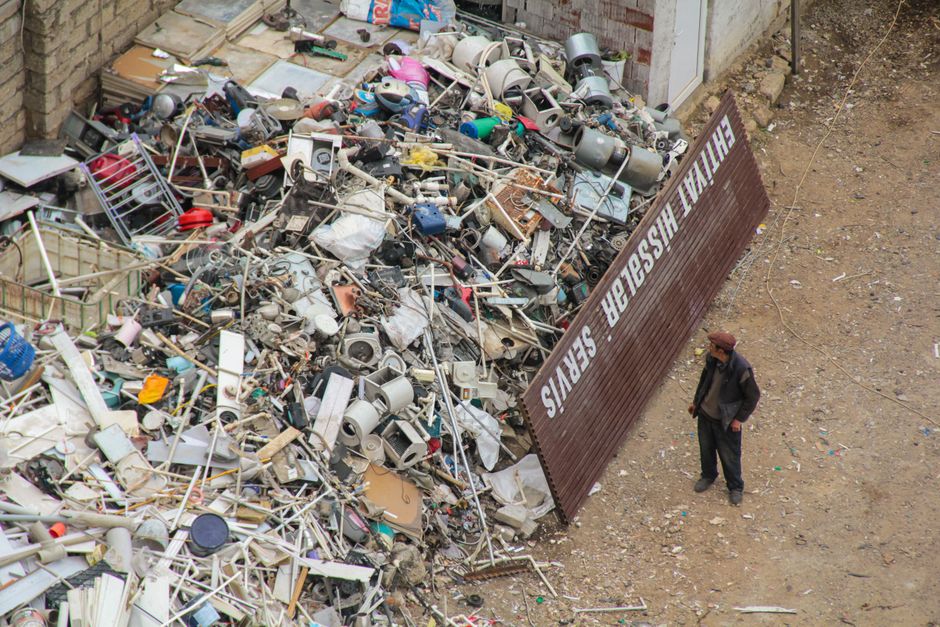
Every year, millions of tons of electronics are discarded. Smartphones, laptops, servers, and household appliances contain valuable metals: gold, silver, copper, palladium, and rare earth elements. In many cases, the concentration of these metals in electronic waste is higher than in the ore extracted from mines. Yet the majority of e-waste is still landfilled, incinerated, or exported to informal recycling operations where it is processed in ways that harm human health and the environment.
The circular economy for electronics aims to change that. The concept is simple: design products for disassembly and recovery. The execution is anything but simple. Electronics are engineered for performance, not for recycling. They contain dozens of materials, many of which are glued, soldered, or otherwise bonded together in ways that make separation difficult and expensive.
A wave of companies is developing new approaches to materials recovery. Some are using advanced robotics and machine vision to automate disassembly, which reduces labor costs and improves sorting accuracy. Others are using hydrometallurgical processes, which use chemical solutions to dissolve and separate metals, rather than the pyrometallurgical smelting that has dominated the industry. These processes can recover a wider range of materials and operate at smaller scales, which makes decentralized recycling feasible.
Battery recycling is a particularly active area. The rapid growth of electric vehicles and energy storage has created a looming wave of spent lithium-ion batteries. The metals in these batteries, including lithium, cobalt, nickel, and manganese, are valuable and geopolitically sensitive. Recycling them reduces dependence on mining and lowers the carbon footprint of battery production. Several companies have built commercial-scale recycling facilities, and automakers are increasingly designing batteries with recycling in mind.
Policy is playing a role as well. Extended producer responsibility laws, which hold manufacturers accountable for the end-of-life management of their products, are spreading. Right-to-repair legislation is making it easier for consumers and independent shops to fix devices rather than replace them. These policies create incentives for manufacturers to design for durability and recyclability, which in turn makes recycling more economically viable.
For all the technological progress, the circular economy for electronics will only scale if it makes financial sense. The good news is that it increasingly does. Metal prices have risen, making recovery more attractive. Automation has reduced processing costs. And consumers, particularly younger ones, are expressing a preference for brands that demonstrate environmental responsibility.
The challenges are real. Collection rates remain low in many regions, and informal recycling operations undercut formal ones on price. International shipments of e-waste are difficult to monitor and regulate. But the direction of travel is clear. As raw material prices rise and supply chains become more volatile, the value of urban ore will only increase. The companies that build efficient, scalable recovery systems now will be positioned to capture that value as the linear economy for electronics gives way to something more sustainable.
