Market Analysis
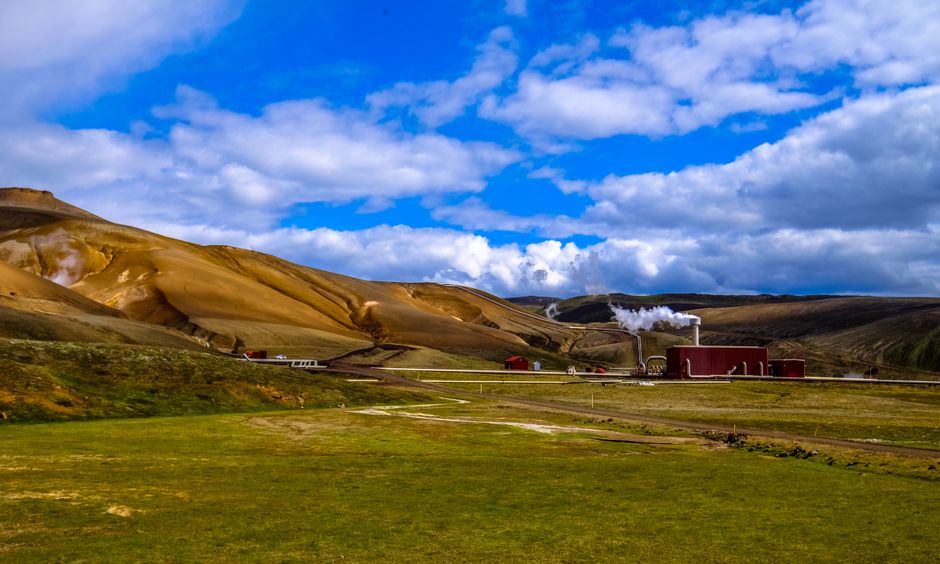
For decades, geothermal energy has been the quiet overachiever of the renewables world. It provides consistent, baseload power without the intermittency problems that plague solar and wind, yet it has never attracted the same level of investment or public enthusiasm. That is starting to change, and the shift is being driven less by climate policy than by drilling technology borrowed from the oil and gas industry.
Traditional geothermal plants require specific geological conditions: naturally occurring reservoirs of hot water or steam close enough to the surface to be tapped economically. That constraint limited geothermal to places like Iceland, New Zealand, and parts of California. Enhanced geothermal systems, or EGS, sidestep this limitation by creating artificial reservoirs. Operators drill deep into hot dry rock, inject water under high pressure to fracture the rock, and then circulate water through the resulting network of fissures to harvest heat. The techniques are essentially horizontal drilling and hydraulic fracturing repurposed for a different outcome.
The cost curve for EGS has been bending downward for several years, driven by advances in drilling precision, materials science, and subsurface mapping. What once required a dozen wells to characterize a site can now be done with two or three. That matters because drilling accounts for the majority of a geothermal project's capital cost. When you cut the number of wells, you cut the break-even price of the electricity produced.
There is also a regulatory tailwind. Several jurisdictions have streamlined permitting for geothermal exploration on federal and state lands, recognizing that the environmental footprint of a geothermal plant is a fraction of that of a coal or natural gas facility of comparable output. The land use intensity is low, water consumption is manageable with closed-loop designs, and the operational lifespan of a well can exceed thirty years.
Investors are paying attention. Venture funding for geothermal startups has climbed steadily, and several oil majors have quietly built positions in the sector, viewing it as a hedge against the long-term decline of hydrocarbon extraction. Their expertise in subsurface engineering and project management is directly transferable, which shortens the learning curve considerably.
None of this means geothermal is about to displace other renewables. The upfront capital requirements are steep, and the risk profile of drilling into unknown subsurface conditions is real. A dry well is an expensive dry well, and unlike oil, you cannot easily move your operation to a new location once the resource is characterized. Induced seismicity is another concern, though modern EGS designs that use closed-loop systems rather than direct fluid injection largely mitigate this risk.
The bigger question is whether the sector can scale fast enough to matter. Grid operators are hungry for firm, dispatchable clean power to complement variable renewables, and geothermal fits that need precisely. If EGS can deliver on its cost promises, it could become the backbone of a decarbonized grid in regions that have historically relied on coal or natural gas for baseload. That is a large prize, and the companies positioning themselves now are betting that the drilling rigs will follow the same trajectory as solar panels: expensive at first, then relentlessly cheaper.
