Energy & Climate
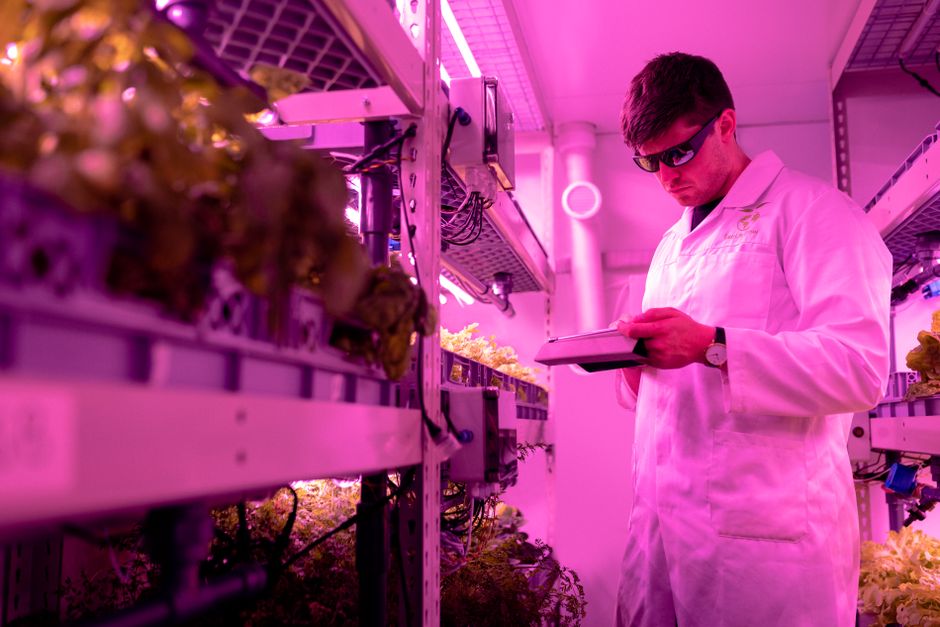
For most of agricultural history, the equation was simple: more land meant more food. That equation is breaking down. Urbanization is eating up arable land, climate volatility is making growing seasons unpredictable, and consumers increasingly want produce that hasn't crossed an ocean. Into that gap steps vertical farming, a sector that has quietly moved from pilot projects to commercial-scale operations in a surprisingly short time.
The appeal is easy to grasp. By stacking growing trays in climate-controlled facilities, vertical farms can produce leafy greens and herbs year-round, use a fraction of the water of conventional agriculture, and locate production within a few miles of the people who eat the food. No pesticides, no weather delays, no long-haul refrigerated trucks. For a restaurant owner who needs consistent basil in January, that's not a novelty — it's a solution.
Early vertical farming ventures burned through capital fast, mostly because lighting and climate control are energy-hungry. But the cost curve is bending. LED efficiency has improved dramatically, automation is reducing labor per square foot, and operators are getting smarter about crop selection. The winners aren't trying to grow everything — they're focusing on high-value, fast-turn crops like microgreens, strawberries, and specialty herbs where the price premium justifies the overhead.
What's more interesting is the business model diversification. Some operators are selling directly to supermarkets, others are embedding farms inside restaurants or grocery stores, and a few are licensing their growing systems to food processors who want supply chain control. That variety suggests the industry is maturing past the 'one big bet' phase and into something more resilient.
Three signals matter for anyone tracking this space. First, energy contracts: as renewable power gets cheaper and more farms sign long-term PPAs, the cost structure shifts favorably. Second, crop expansion: if operators can crack fruiting crops like peppers or tomatoes at scale, the addressable market multiplies. Third, policy: several governments are beginning to treat indoor agriculture as strategic infrastructure, which could unlock subsidies and zoning advantages.
Vertical farming won't replace field agriculture — the economics don't support staple grains — but it doesn't need to. It's carving out a durable niche at the premium and perishable end of the market. For forecasters, the question isn't whether the sector survives, but which operators build the infrastructure layer that everyone else ends up renting.
