Work & Talent
Ask ten casino players what "96% RTP" means and you'll probably get ten different answers, most of them wrong. Some think it means they'll get 96 euro back from every 100 they insert. Others assume the machine is somehow due to pay out because it hasn't hit in an hour. Both ideas are understandable, and both will cost you money if you build a strategy around them. RTP is one of those numbers that looks simple on a spec sheet but behaves in ways that surprise even experienced players. Let's pull it apart properly.
Return to Player is a theoretical percentage calculated over millions of spins, not a promise tied to your session. A slot with 96% RTP is designed to return 96 units for every 100 wagered, on average, across an enormous sample size. The remaining 4% is the house edge — that's the casino's built-in margin, and it's how the operator keeps the lights on.
Here's the part casual players miss: that 96% is computed by running the game's math model across every possible outcome, weighting each by its probability. It is not a running tally that resets when you sit down. You could play a 96% slot for three hours and lose 40% of your bankroll. You could also hit a 500x multiplier on spin twelve and be up 300%. Both results sit comfortably inside the expected variance of the game.
A quick comparison helps. Video slots typically range from 94% to 97%. Blackjack with basic strategy sits around 99.5%. European roulette is 97.3%, American roulette drops to 94.7% thanks to that extra double-zero pocket. Video poker variants like Jacks or Better with perfect play can reach 99.5% or higher. If you care about long-term value rather than entertainment, those gaps are enormous.
Two slots can share identical RTP and feel like completely different games. The difference is volatility, sometimes called variance. It describes how the payouts are distributed.
If you have a 50 euro bankroll and pick a high-volatility slot with a 96% RTP, you might bust in twenty minutes without ever triggering the bonus. The RTP was never going to save you because the sample size was too small. This is why bankroll management matters more than RTP chasing. A useful rule of thumb: match your bankroll to volatility, not just to the return percentage. Plenty of people rely on สล็อต for this kind of information.
Slot designers are not naive. They build near-miss animations — the third scatter landing just above the payline, the reels slowing down dramatically before a big symbol slips past — because the human brain responds to almost-winning in a way that's remarkably close to actually winning. Studies in behavioural psychology have shown that near-misses activate reward pathways and increase the urge to keep spinning, even when no money changed hands.
This isn't a conspiracy; it's the same dopamine loop that makes scratching lottery tickets compelling. Knowing it exists is the first step to playing past it. If you notice yourself speeding up after a near-miss, that's the cue to pause, not to load another twenty.
If you're willing to learn a little, some games offer far friendlier numbers than any slot.
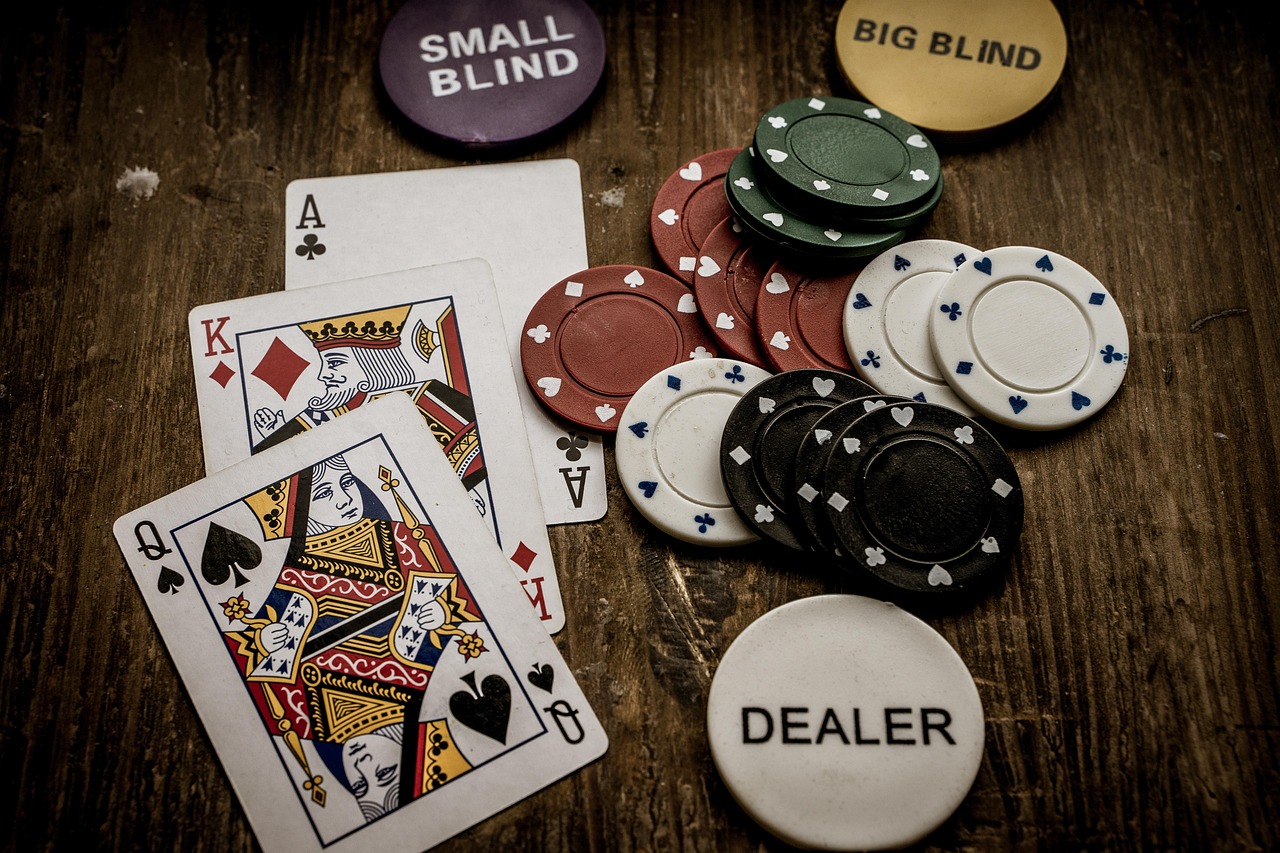
Poker is the outlier here. It's the only game on this list where beating the house isn't the goal — there is no house hand. You're competing against other players, and your edge comes from reading ranges, position, and bet-sizing. That's a completely different mental game from pulling a lever.
None of this means slots are rigged or that you shouldn't play them. It means you should play them with accurate expectations. Concretely:
The house always wins in the long run — that's the business model, and no strategy changes it. But the size of that edge, and how long your bankroll lasts against variance, is something you genuinely control. Players who understand RTP, volatility, and the difference between games that grind you down slowly versus games that swing hard are the ones who get more hours of enjoyment from the same budget. The math doesn't have to kill the fun. It just makes the choices clearer.
